


“Do It Smart!” is a powerful affirmation that VSIC-ERP’s leadership is always guided by the following three pillars:
1. Deep Specialization to truly understand the harsh realities of the industry.
2. Practicality to deliver immediate value, without making enterprises wait.
3. Measurable Effectiveness to prove that we do not just talk—we truly deliver, and deliver well.
“In the mechanical industry, every minute of machine downtime, every defective product, and every delayed order carries significant real monetary value. If we continue managing with Excel, Zalo, and notebooks → we are accepting uncertainty about exactly how much we are losing, where the waste occurs, and which opportunities are being missed.
An ERP like VSIC-ERP is not an expense—it is a tool that transforms chaotic data into real-time actionable insights, enabling comprehensive and effective management of all production and business operations.
Common Management Challenges in Mechanical Enterprises
- Do you know exact real-time inventory levels?
- Can you accurately forecast raw material needs?
- Do you know the actual cost per product/production order?
- Can you detect impending delays early?
- Do you monitor OEE, downtime, and machine-specific defects in real time?
- Can you provide traceability when customers request it?
- Are daily/weekly management reports timely?
Status with an ERP like VSIC-ERP
- Yes, updated with every receipt/issue transaction.
- MRP runs automatically with early warnings.
- Real-time cost tracking per order.
- Automated dashboard alerts for progress on all orders.
- Real-time OEE, MTBF/MTTR dashboards.
- Batch traceability in seconds, accessible to customers.
- Real-time or end-of-day reporting as required.

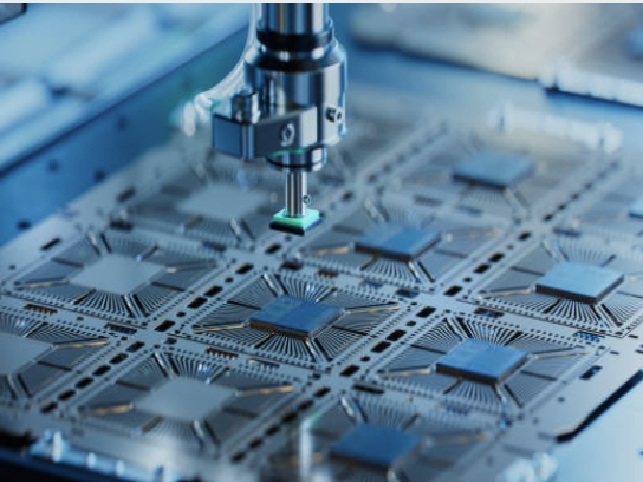
Minimizing Sudden Material Shortage Risks
Before: Frequent shortages of 15–25%, causing machine stops and delivery delays
After: Intelligent MRP + real-time low-stock alerts → reducing sudden shortages to under 5%
Benefits: Stable production, avoidance of FDI contract penalties, enhanced customer reliability
Increasing On-Time Delivery Rate (OTD)
Before: OTD typically only 75–85%
After: Integrated Sales → MRP → Production → QC → Inventory with real-time progress tracking
Benefits: OTD reaches 95%+ (improvement of 10–20 percentage points), retaining major clients and expanding long-term contracts

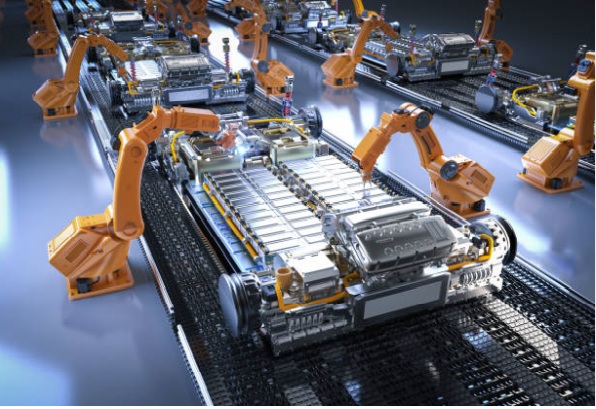
Reducing Excess Inventory & Freeing Up Capital
Before: Excess inventory accounts for 25–35% of warehouse value
After: Batch-based inventory management, aging stock alerts, precise MRP demand calculation → reducing excess by 20–30%
Benefits: Free up billions in working capital, lower storage costs and obsolescence risks
Improving Equipment Effectiveness (OEE)
Before: Average OEE 65–75%
After: Real-time downtime recording, preventive maintenance integration → OEE increase of 8–15%
Benefits: Higher output without additional machinery, reduced unit production costs

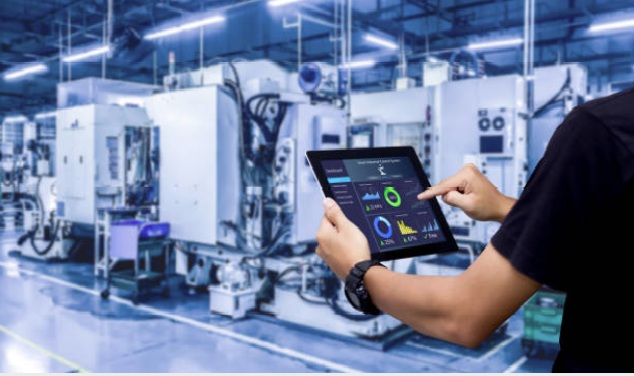
Quality Control & Reducing Production Defects
Before: Defect rate 4–8%, high rework/scrap
After: In-process QC forms, real-time Pareto analysis, batch/machine traceability → defect rate below 2.5%
Benefits: Lower rework/return costs, enhanced brand reputation
Shortening Procurement Lead Time & Optimizing Costs
Before: PR → PO → receipt takes 8–12 days
After: Automatic PR generation from MRP, supplier quote comparison, delayed PO tracking → reduced to 4–5 days
Benefits: 8–12% reduction in procurement costs, prevention of production interruptions


Financial Transparency & Faster Decision-Making
Before: Manual reports—delayed and inaccurate.
After: Real-time financial dashboards integrated with production costs → gross profit improvement of 8–15%.
Benefits: Data-driven decisions, reduced financial risks.